

Alternatives to Ember
Ember locks daily AI market calls before outcomes are known, revealing high-conviction signals when its predictions diverge from real-money crowds.
Explore 20 alternatives to Ember. Compare features, pricing, and find the best fit for your needs.


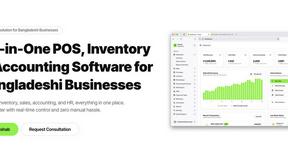
Hishab
All-in-one POS, inventory, accounting and HR software for Bangladeshi SMEs — real-time sales, stock and finance in one place.
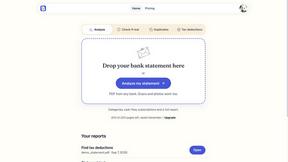
MyBankStatementAnalysis
Free AI bank statement analyzer: upload a PDF to see spending by category, income vs expenses and subscriptions.
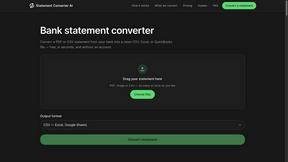
StatementConverterAI
Turn bank statement PDFs and CSVs into clean CSV, Excel or QuickBooks files, no account needed.

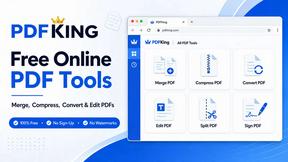
PDFKing
Free online PDF tools to merge, compress, convert, edit, sign, and manage documents—no signup, watermarks, or daily limits.
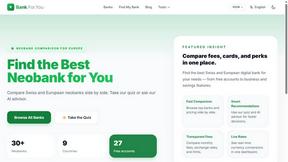
Bank.For.You
Compare Swiss and European neobanks side by side with a quick quiz or AI advisor to find your best digital bank.

iPulse
iPulse delivers AI-powered market intelligence with real-time forecasts, signals, and risk analysis across stocks, crypto, and indices.
TryBit
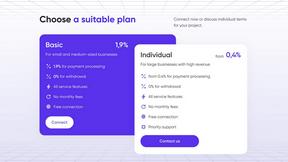
TryBit is a crypto payment gateway that lets businesses accept over 40 cryptocurrencies online with low fees and 24/7 support.

About Ember Alternatives
Ember is an AI prediction engine that operates within the business and finance category, specifically designed to provide daily market calls on live Polymarket events. It distinguishes itself by using three independent AI models—Claude, Grok, and Gemini—which each issue forecasts without consulting one another, and every call is timestamped before the outcome is known. Users commonly look for alternatives to Ember due to factors such as the need for different pricing models, a desire for platforms that cover a broader range of financial assets beyond prediction markets, or a preference for tools that offer more customizable or less publicly scrutinized analytics. When choosing an alternative, it is important to evaluate the transparency of the prediction methodology, the frequency and accuracy of updates, the types of markets or assets covered, and whether the platform provides verifiable track records or calibration metrics like Brier scores to ensure reliable performance. Key considerations for selecting an alternative include assessing how the platform handles data integrity and post-hoc editing, as Ember’s core value lies in its immutable, public record. Look for solutions that clearly state their data sources, model types, and update schedules, and that offer a clear explanation of how they measure and report accuracy over time. Additionally, consider whether the platform integrates with your existing workflow, supports the specific markets you follow, and provides sufficient transparency to build trust in its predictions. A strong alternative will match the rigor and accountability of Ember while potentially offering different pricing tiers, broader asset coverage, or enhanced customization features.
FAQs about Ember Alternatives
What is Ember?
Ember is a public AI prediction engine that delivers daily market calls on live Polymarket events. Every morning at 7AM EST, three independent AI models—Claude, Grok, and Gemini—issue forecasts without consulting each other, and all calls are timestamped before the outcome is known. The platform tracks accuracy using Brier scores and flags high-conviction signals when a model disagrees with the crowd by 10 or more points.
Who is Ember for?
Ember is designed for traders, analysts, and finance professionals who want transparent, verifiable AI-driven market predictions. It is particularly useful for those who trade on prediction markets like Polymarket and need daily, unbiased signals from multiple independent models. The platform also appeals to users who value public accountability and want to track an AI’s performance over a full year without any post-hoc editing.
Is Ember free?
The provided content does not specify whether Ember is free or paid. Users interested in pricing should consult Ember’s official website or documentation for the most current information on subscription plans or access fees.
What are the main features of Ember?
Ember’s main features include daily AI market calls at 7AM EST from three independent models (Claude, Grok, and Gemini), timestamped predictions before outcomes, and public tracking of accuracy using Brier scores. It flags high-conviction signals when a model diverges from the crowd by 10 or more points, and every wrong call receives a post-mortem analysis. The platform maintains a fully public record with no edits after the fact, and the model that beats the crowd most consistently over 365 days is declared the winner.