

Alternatives to Sprite-AI
Sprite-AI turns your text descriptions into pixel-perfect game sprites in seconds, with no drawing skills needed.
Explore 10 alternatives to Sprite-AI. Compare features, pricing, and find the best fit for your needs.
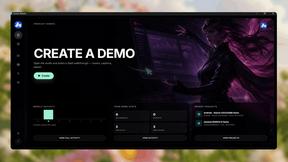
Screen Beaver
Create product videos manually or let your AI agent control Screen Beaver through MCP—no mouse or keyboard needed.

DigiCakey
Create and send personalized digital cakes with custom frosting, fruit, candles, cards, and drawings.
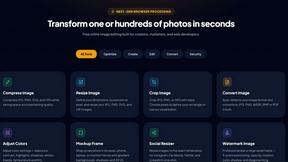
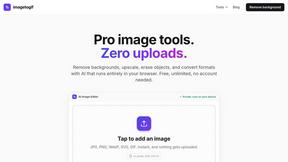
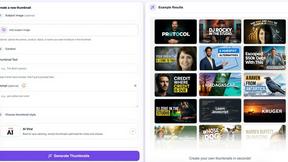
StopScroll
AI YouTube thumbnail maker that helps creators generate high-click thumbnails faster.
HubVanta AI
HubVanta AI helps creators generate images and videos with advanced AI tools for visual content workflows.

CustomTattoo AI
CustomTattoo AI lets you generate, preview, and refine custom tattoo designs on your own skin before booking with your artist.

Inkfox AI
Inkfox AI is a free unlimited image generator with no sign-up required, offering premium models like Flux and Seedream for creating ads, product.
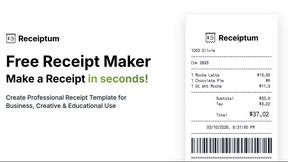
Receiptum
Receiptum allows you to create customizable, professional receipts in seconds, no design skills needed, completely free of charge.
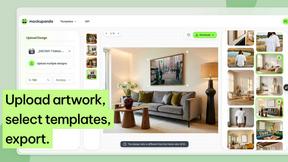
Mockupanda
Mockupanda lets print sellers instantly generate unlimited professional mockups from a single upload to scale Etsy and POD listings faster.
About Sprite-AI Alternatives
Sprite-AI is an AI-powered pixel art generator designed to help indie game developers, hobbyists, and prototypers create 2D assets quickly without requiring drawing skills. Falling under the category of design tools, it allows users to describe a sprite in plain English and instantly produces clean, game-ready pixel art in standard sizes like 32x32, 64x64, or 128x128 pixels, suitable for roles such as icons, items, characters, or hero and boss art. Despite its utility, users often look for alternatives due to concerns over its token-based pricing model, which may become costly for heavy users, or because they need features like offline access, broader export formats, or different integration capabilities with specific game engines. Others may seek platforms with more robust editing tools, free tiers, or community-driven asset libraries that better fit their workflow or budget constraints. When evaluating an alternative to Sprite-AI, it is important to consider several key factors to ensure the tool aligns with your specific needs. First, assess the pricing structure—whether it offers a subscription, pay-per-use, or free model—and how that matches your project’s scale and frequency of use. Second, examine the output quality and customization options, including the ability to fine-tune sprites with a built-in editor, support for multiple resolutions, and compatibility with popular game engines like Unity, Godot, or Unreal. Additionally, look for features such as prompt guidance, a community gallery for inspiration, and the security of your generated assets, especially if you are working on commercial projects. Finally, consider the platform’s ease of use, customer support, and whether it provides a seamless export process for transparent PNGs to avoid unnecessary friction in your development pipeline.
FAQs about Sprite-AI Alternatives
What is Sprite-AI?
Sprite-AI is an AI-powered pixel art generator that transforms plain English descriptions into clean, game-ready pixel art images. It produces sprites in standard sizes like 32x32, 64x64, or 128x128 pixels, tailored for roles such as icons, items, characters, or hero and boss art. The tool is designed specifically for indie game developers, hobbyists, and prototypers who need 2D assets quickly without requiring drawing skills.
Who is Sprite-AI for?
Sprite-AI is built for indie game developers, hobbyists, and prototypers who need to generate 2D pixel art assets rapidly for their projects. It is especially useful for those without drawing experience, as it allows users to describe a sprite in plain English and receive a polished result. The tool also serves developers who want to fine-tune sprites using a built-in pixel editor before exporting them directly into game engines like Unity, Godot, GameMaker, or Unreal.
Is Sprite-AI free?
Sprite-AI operates on a token-based pricing model, meaning users only pay for the sprites they generate rather than a flat subscription fee. The platform does not appear to offer a completely free tier, though it may provide initial tokens for new users to test the service. This pay-per-use structure is designed to be cost-effective for those who generate assets infrequently, but heavy users should budget accordingly based on their token consumption.
What are the main features of Sprite-AI?
Sprite-AI’s main features include AI generation of pixel art from text descriptions, support for multiple sprite sizes (32x32, 64x64, and 128x128 pixels), and role-specific outputs like icons, items, characters, or hero and boss art. It also includes a built-in pixel editor for painting, erasing, filling, and color-picking to fine-tune sprites, and allows export as transparent PNGs compatible with Unity, Godot, GameMaker, and Unreal. Additional features are a community gallery, prompt guides, and a token-based pricing model that charges only for generated content.