

Alternatives to Holly AI
Holly AI automates patient scheduling and front desk tasks, helping clinics grow by reducing staff burnout and capturing more revenue.
Explore 5 alternatives to Holly AI. Compare features, pricing, and find the best fit for your needs.
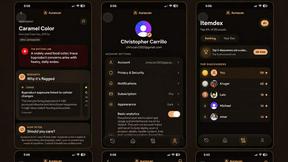
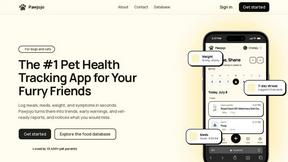
Pawjojo
Pawjojo is a pet health tracking app that lets you log meals, meds, weight, and symptoms in seconds to generate trends, early warnings, and vet-ready.
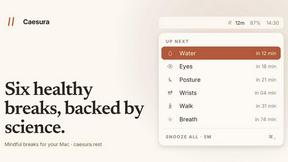
Caesura
Caesura is a macOS menu-bar app that reminds you to drink water, stretch, rest your eyes, and breathe on science-backed intervals.
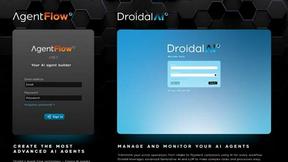
Droidal Insurance Verification AI Agent
Droidal Insurance Verification AI Agent ensures real-time eligibility checks, reducing denials and accelerating payment processes for seamless.
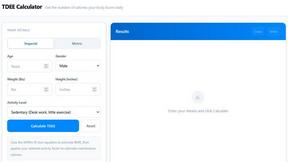
TDEE Calculator
Accurately estimate your daily calorie burn using the proven Mifflin-St Jeor formula to reach your weight and fitness goals.
About Holly AI Alternatives
Holly AI is an AI-powered virtual front desk operator specifically designed for healthcare clinics and medical practices. It belongs to the category of healthcare automation and patient engagement platforms, automating tasks such as patient scheduling, appointment reminders, and front desk communication across phone, SMS, and web channels. Users commonly look for alternatives to Holly AI for a variety of reasons, including differences in pricing structures, the need for specific integrations with their existing electronic health record systems, or a desire for a platform that offers a different balance of automation versus human touch. Some practices may also seek alternatives if they require features not emphasized by Holly AI, such as advanced analytics, multilingual support, or a simpler onboarding process for smaller teams. When evaluating an alternative to Holly AI, it is essential to prioritize HIPAA compliance and data security certifications to ensure patient information remains protected. You should also consider the depth of integration with your current EHR, CRM, and payment platforms, as seamless data flow is critical for operational efficiency. Look for a solution that offers a robust set of automation rules tailored to your specialty, as well as multi-channel communication capabilities that match your patient engagement strategy. Finally, assess the vendor’s track record, customer support quality, and the availability of a trial or pilot program to test the platform in your specific workflow before making a long-term commitment.
FAQs about Holly AI Alternatives
What is Holly AI?
Holly AI is an intelligent AI Operator designed specifically for healthcare providers, functioning as a tireless, 24/7 virtual front desk team member. It automates patient scheduling, front desk tasks, and operational workflows by integrating directly with existing EHR, CRM, and payment platforms. Built on over nine years of pioneering AI in healthcare, Holly learns your practice’s specific know-how and applies specialty best practices to every interaction, helping clinics grow without staff burnout.
Who is Holly AI for?
Holly AI is designed for healthcare providers of all sizes, from small family medicine clinics to large specialty practices. It is ideal for any medical office looking to automate over 80% of its front desk operations, reduce no-shows, and improve patient engagement across phone, SMS, and web channels. The platform is particularly valuable for practices experiencing staff burnout or seeking to capture more new patients without increasing administrative overhead.
Is Holly AI free?
Holly AI is a paid platform, but it offers a free pilot program that allows practices to start seeing results in days without an upfront financial commitment. This pilot enables clinics to test the system in their real-world workflow before deciding on a long-term subscription. Pricing details are typically customized based on the practice’s size, specialty, and specific automation needs.
Is Holly AI secure?
Yes, Holly AI is fully HIPAA-compliant and SOC 2 certified, ensuring that all patient data remains secure and private. The platform is built with over 350 built-in rules for healthcare operations and has managed more than 92 million patient interactions, demonstrating a strong commitment to data protection. This security framework allows practices to automate patient communication confidently, knowing that sensitive information is handled according to industry standards.