

Alternatives to Frizzle
Frizzle uses AI to read handwritten math work in real time, providing teachers with granular analytics on student understanding and misconceptions.
Explore 13 alternatives to Frizzle. Compare features, pricing, and find the best fit for your needs.
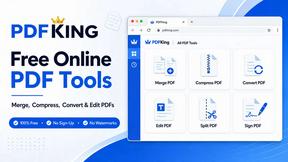
PDFKing
Free online PDF tools to merge, compress, convert, edit, sign, and manage documents—no signup, watermarks, or daily limits.
Registrant Prep
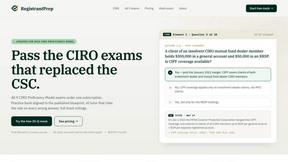
Registrant Prep offers affordable AI-powered CIRO exam prep with rule-cited explanations and personalized mock exams for $29.99 monthly.
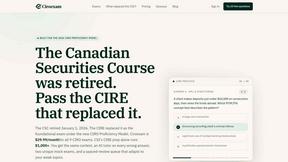
CIROExam
CIROExam offers AI-powered CIRO exam prep for $29.99 monthly, replacing costly CSI courses with cited rules and adaptive mock exams.
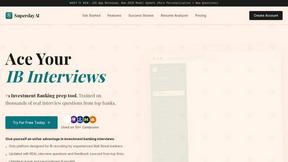
Superday AI
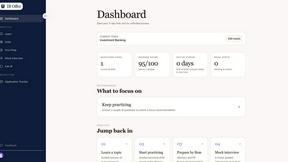
Superday AI is the ultimate investment banking interview prep tool, offering personalized insights and real questions from top firms to ensure your.
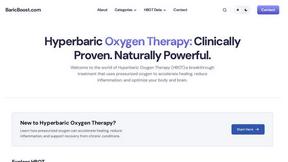
BaricBoost
BaricBoost is your trusted resource for evidence-based insights on hyperbaric oxygen therapy and its benefits for over 40 health conditions.

Speak Tech English
Speak Tech English empowers non-native tech professionals to master essential English for global success in tech roles.
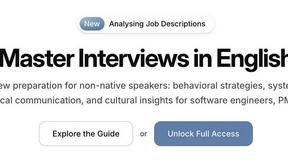
Mockly English
Master tech interviews with Mockly English, offering expert guidance on communication, preparation, and cultural insights for non-native speakers.
About Frizzle Alternatives
Frizzle is an AI-powered educational tool that automates the grading of handwritten math work by leveraging computer vision and large language models to achieve 97% accuracy. It falls within the education technology category, specifically targeting formative assessment and analytics for K-12 math instruction. Users commonly look for alternatives to Frizzle for reasons such as differing budget constraints, a need for integration with specific learning management systems, a preference for grading subjects beyond math, or a requirement for real-time grading rather than the batch processing approach Frizzle uses. When evaluating alternatives, educators and administrators should prioritize tools that offer robust data privacy compliance, support for the specific curriculum standards they follow, and a transparent confidence-scoring system that clearly flags uncertain responses for human review. Additionally, the ideal solution should minimize screen time for students while still providing actionable, standards-level analytics that can inform classroom instruction and district-level strategy without relying solely on end-of-year assessments.